Unlocking Financial Literacy: The Best Personal Finance Books You Need to Read
Finance
|
April 7, 2026
Financial literacy plays a critical role in helping individuals make informed decisions about money, yet many people still lack a strong understanding of basic financial concepts. This gap can lead to costly mistakes such as excessive debt, poor budgeting habits, and limited long-term savings. Studies have shown that financial illiteracy results in significant economic losses each year, highlighting the importance of improving money management skills. One effective way to build this knowledge is by learning from well-structured personal finance books that break down essential concepts in a practical and accessible way. This article explores how financial literacy impacts everyday life and highlights key personal finance books that can help bridge the knowledge gap.
Financial literacy plays a critical role in helping individuals make informed decisions about money, yet many people still lack a strong understanding of basic financial concepts. This gap can lead to costly mistakes such as excessive debt, poor budgeting habits, and limited long-term savings. Studies have shown that financial illiteracy results in significant economic losses each year, highlighting the importance of improving money management skills. One effective way to build this knowledge is by learning from well-structured personal finance books that break down essential concepts in a practical and accessible way. This article explores how financial literacy impacts everyday life and highlights key personal finance books that can help bridge the knowledge gap.
Understanding the Fundamentals of Money Management
Many people struggle to manage their money effectively, not because they lack income, but because they were never taught the essential principles of financial literacy. Skills such as budgeting, saving, investing, and debt management are critical for achieving long-term financial stability, yet they are often overlooked in traditional education systems.
Research from 2021 suggests that individuals with a strong understanding of basic financial concepts are significantly more likely to develop consistent saving habits compared to those without this knowledge. This highlights the real-world impact that financial literacy can have on everyday financial decisions.
One of the most practical ways to build these skills is through personal finance books, which break down complex money management concepts into simple, actionable strategies. Books such as *The Total Money Makeover* by Dave Ramsey and *Rich Dad Poor Dad* by Robert Kiyosaki provide readers with clear frameworks for budgeting, eliminating debt, and building long-term wealth.
By learning from these resources, individuals can strengthen their financial confidence, improve decision-making, and develop healthier long-term money habits.
Long-Term Financial Impact of Reading
The long-term advantages of immersing oneself in personal finance literature cannot be overstated. Research by the Financial Industry Regulatory Authority (FINRA) reveals that individuals who regularly expose themselves to personal finance content often exhibit a pronounced likelihood to save and invest astutely. Engaging with such literature bolsters comprehension of intricate financial concepts, enhancing decision-making while promoting an understanding of investment opportunities and retirement planning. A consistent commitment to financial education through reading can facilitate significant wealth accumulation; individuals learn to navigate effective pathways for financial growth. Additionally, persistent engagement with personal finance books often results in enduring shifts in financial habits. Many readers report implementing improved budgeting strategies and adopting lifestyles aligned with living within their means. As financial philosophies solidify through continued reading, individuals become more adept at thinking strategically about their financial futures. Ultimately, the time invested in gaining financial understanding through reading not only enriches one’s financial literacy but also charts a sustainable course towards enduring financial empowerment and security.
What Makes a Personal Finance Book Valuable?
Practical Advice vs. Theoretical Knowledge
When selecting personal finance literature, distinguishing between practical advice and theoretical knowledge is crucial. Practical advice equips readers with actionable steps that they can implement in their lives, while theoretical knowledge often encompasses broader economic principles or financial markets. Both aspects have their importance; however, a valuable personal finance book strikes a balance—delivering foundational theories alongside clear, actionable methods. Effective books convert complex financial concepts into straightforward actions, empowering readers to achieve tangible results in their financial lives.
Importance of Beginner-Friendly Explanations
A truly valuable personal finance book must be accessible, particularly for beginners. Many individuals enter the realm of personal finance with a limited understanding, which can make the subject overwhelming. Books with beginner-friendly explanations simplify complex ideas into digestible segments, often using relatable anecdotes or straightforward language that encourages understanding. For example, demystifying concepts like credit scores through everyday examples can inspire readers to engage actively with their finances. Additionally, effective personal finance literature frequently employs visual aids, such as charts or infographics, to further simplify concepts. By fostering a learning environment where foundational financial literacy can thrive, these resources empower readers to build confidence and acquire essential financial skills.
Real-World Applications and Case Studies
One of the distinguishing characteristics of effective personal finance literature is the presentation of real-world applications and case studies that demonstrate key principles. Books that include tangible financial scenarios resonate deeply with readers, allowing them to visualize how to translate lessons into their own lives. For instance, a narrative depicting someone’s journey from debt towards financial stability offers a relatable framework that can motivate others facing similar challenges. This approach not only illustrates various financial strategies' effectiveness but also reinforces learning, fostering a sense of community among readers with shared financial goals. By intertwining personal stories with actionable advice, these case studies transform potentially abstract concepts into relevant and empowering narratives, encouraging readers to take charge of their financial futures.
Author Credibility and Background
An author’s credibility plays a pivotal role in how readers perceive the value of a personal finance book. Advice from a knowledgeable author—particularly one with qualifications or extensive experience in financial education, planning, or investment—is often regarded as more trustworthy. An author sharing personal anecdotes or lessons learned from financial missteps creates relatability and authenticity. Moreover, effective personal finance literature emphasizes not only the author's credentials but also their motivations for writing, fostering a stronger connection with the reader. When readers sense a blend of expertise and authenticity in an author’s narrative, they are more inclined to embrace the advice offered, motivating purposeful actions toward reaching personal financial goals.
Best Personal Finance Books for Beginners
For newcomers, the world of personal finance can feel intimidating, yet an array of resources exists to demystify the journey. Below are some beginner-friendly titles known for their actionable advice:
- "The Total Money Makeover" by Dave Ramsey: This book offers a structured approach to eliminating debt and building wealth through personal responsibility and careful planning.
- "You Are a Badass at Making Money" by Jen Sincero: This motivational guide centers on redefining your money mindset and cultivating habits that lead to financial success.
- "The Barefoot Investor" by Scott Pape: An engaging guide that offers a practical plan to help readers gain control of their finances.
These selections target novices by effectively breaking down complex financial ideas into straightforward, actionable steps, fostering greater financial literacy.
Developing Good Money Habits
Cultivating effective budgeting practices is essential for establishing solid money habits and gaining effective control over finances. Here are key types of books that focus on practical budgeting and strategies:
- Budgeting Basics: Works like "The Total Money Makeover" provide readers insight into the importance of having an emergency fund along with establishing a budget that aligns with their lifestyle.
- Saving Strategies: "The Automatic Millionaire" by David Bach showcases the power of automation in savings, which simplifies prioritizing financial security.
- Mindset Shifts: Titles such as "Mind Over Money" by Brad Klontz assist readers in reframing their relationship with money and encouraging a healthier financial outlook.
By adhering to the methods outlined in these books, beginners can nurture effective budgeting techniques that promote good money habits, ultimately enhancing their financial literacy.
Real-Life Impact of Learning from Personal Finance Books
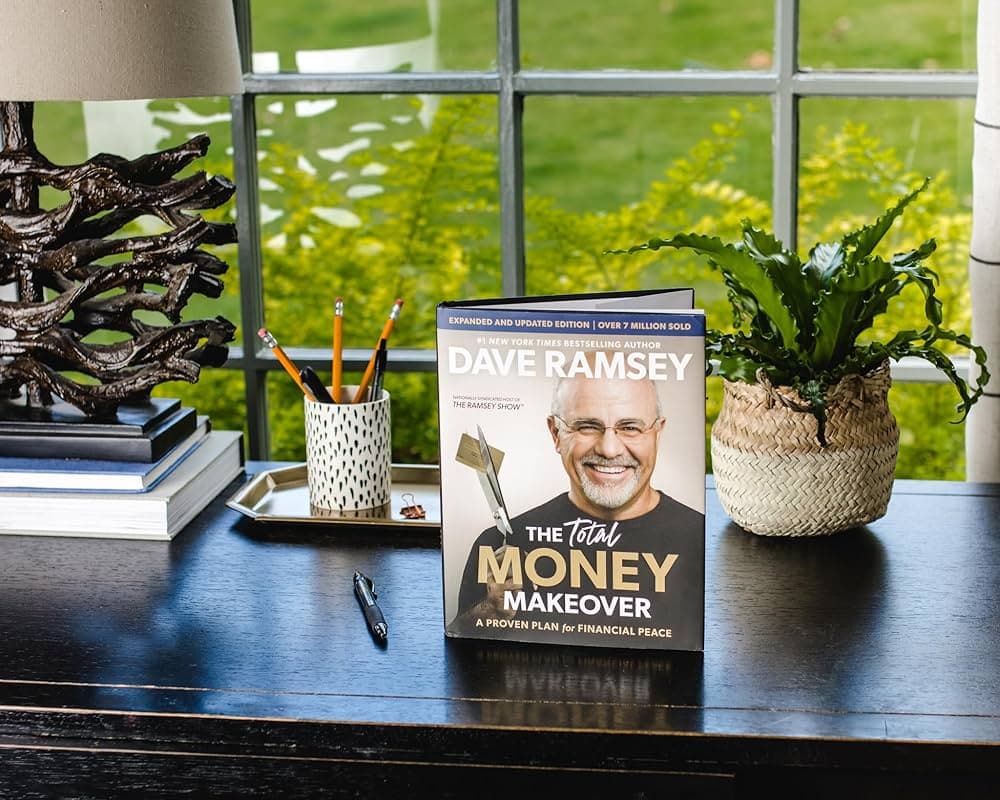
Reading personal finance literature can profoundly transform individuals' financial circumstances. For example, after implementing strategies from "The Total Money Makeover," one reader named Alex reduced $30,000 in debt within just two years by adhering to a strict budget and following Ramsey's system of actionable baby steps. Not only did Alex eliminate debt, but he also developed a meaningful savings cushion.
Another example includes Lisa, who was inspired by "You Are a Badass at Making Money" to transition from an underpaid position to a fulfilling entrepreneurship path. Her confidence grew through the guidance of the book, enabling her to create a budget that reinvested in her business while setting aside savings for future projects.
These success stories illustrate the tangible transformation readers can experience by applying actionable insights gleaned from personal finance books, empowering them to secure a more stable financial future.
Best Advanced Personal Finance Books
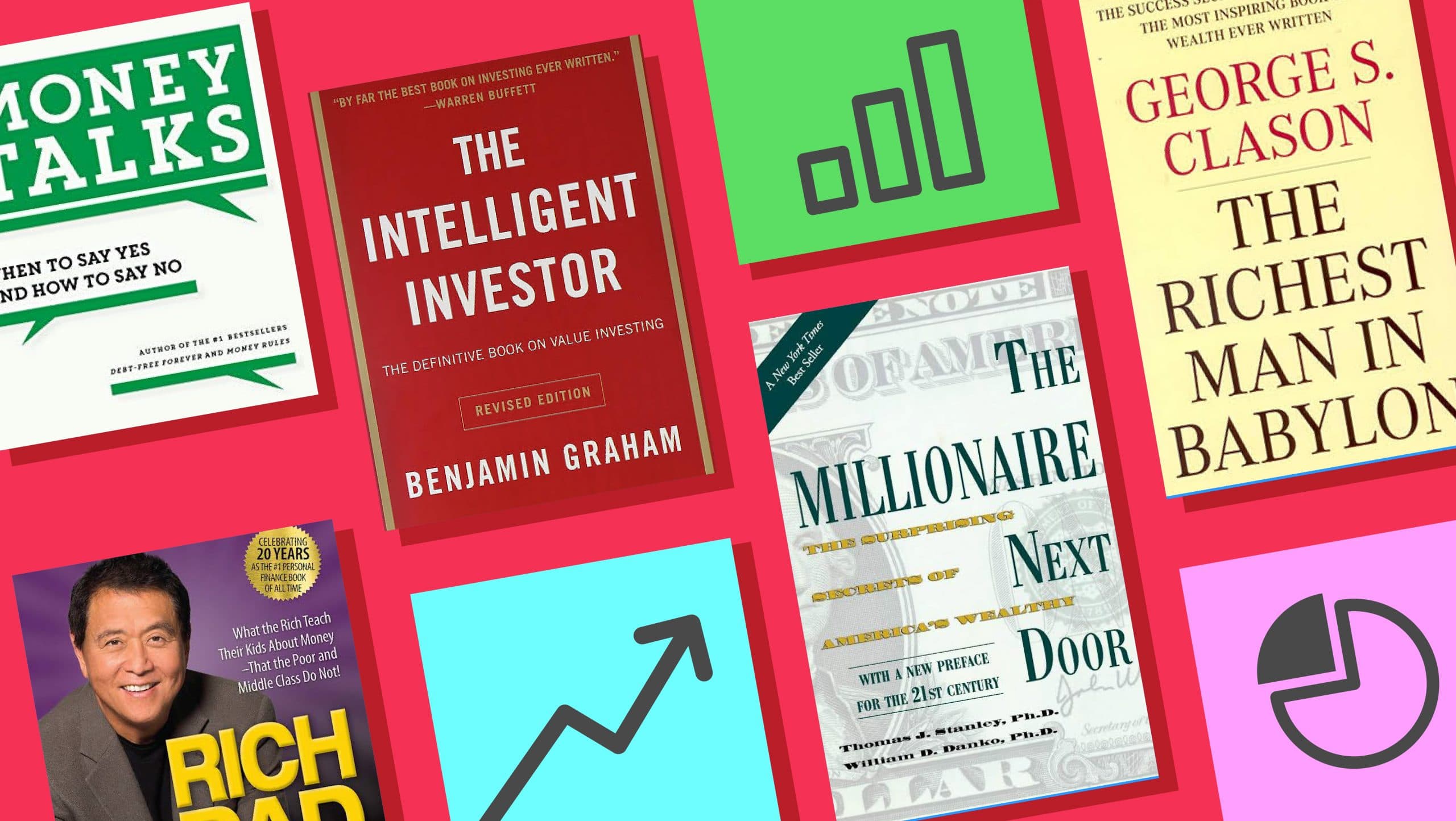
When striving for mastery in personal finance, understanding investing fundamentals is essential for anyone aiming to enhance their financial knowledge. One of the most revered works in this arena is "The Intelligent Investor" by Benjamin Graham. Renowned as the value investing bible, it teaches vital principles like the margin of safety and a long-term investment approach. Graham meticulously dissects the factors guiding sound investment choices, empowering readers to develop deep analytical skills. His pragmatic counsel enables aspiring investors to differentiate between understanding speculation and forming genuine investments, thereby fostering a disciplined path toward building wealth over time. Grasping the concepts this book conveys establishes a solid foundation for anyone serious about investing and adeptly navigating market fluctuations.
Wealth-Building Strategies for Serious Investors
"The Millionaire Next Door" by Thomas J. Stanley and William D. Danko highlights transformative wealth-building strategies. This insightful book contradicts conventional notions surrounding wealth accumulation, emphasizing the merits of frugality, discipline, and sound financial habits. Based on exhaustive research, the authors reveal that affluent individuals often prioritize savings and investments over extravagant spending. They formulate essential principles that advocate living below one's means and engaging in income-generating ventures while underscoring the importance of financial education. By following these guidelines, serious investors can create sustainable wealth, effectively navigate economic uncertainties, and attain financial independence through consistent, prudent actions rather than sheer luck.
Insights into Behavioral Finance and Money Psychology
"Thinking, Fast and Slow" by Daniel Kahneman delves deep into how cognitive biases influence our financial behaviors. As a Nobel laureate, Kahneman examines the dual systems of thought—instinctive, fast responses alongside slower, more deliberate cognition. Understanding these psychological triggers sheds light on common investing pitfalls like overconfidence and loss aversion. By recognizing these biases, readers can foster heightened self-awareness in their financial decision-making processes, a crucial aspect for serious investors. The ideas articulated in this book not only enhance comprehension of market dynamics but also empower individuals to approach investing with a rational outlook, ultimately leading to well-informed decisions and favorable financial outcomes.
How to Choose the Right Personal Finance Book for You
Tailor Choices Based on Income Level and Financial Background
When selecting a personal finance book, the first consideration should be aligning your choice with your income level and financial background. Beginners earning a modest salary should prioritize literature that addresses foundational concepts such as budgeting, saving, and debt management. Simpler texts that distill complicated topics into digestible advice can serve as ideal starting points. Conversely, more financially established individuals might seek advanced discussions surrounding investment strategies, wealth building, or retirement planning. Aligning your reading choice with your financial context enhances the relevancy of insights, ultimately guiding you toward taking meaningful actions on your financial journey.
Align Book Selection with Financial Goals and Aspirations
Your specific financial objectives significantly influence which personal finance literature will be most beneficial. Whether you are focused on eliminating debt, investing in real estate, or saving for retirement, there exist books designed specifically to meet these needs. For example, those aiming to pay off student loans may find specific strategies and discipline techniques in certain books. On the other hand, if your interest lies in investment strategy to accumulate wealth, seeking out titles centered on stock market fundamentals and comprehensive investing approaches will be advantageous. This targeted approach ensures the insights gained resonate with your personal mission and cultivate both your financial literacy and confidence.
Identify Readers’ Needs Based on Experience Level and Prior Knowledge
Understanding one's experience level and prior knowledge is critical when choosing the right personal finance literature. Newcomers to finance may feel intimidated by texts laden with complex jargon, whereas individuals with a moderate foundation may seek more profound explorations of specific areas, such as managing an investment portfolio. Books that introduce basic principles before advancing into more complex concepts are ideal for novices, while experienced readers may explore literature that presents new insights or strategies. Assessing your current standing on this learning spectrum equips you with a book that matches your level and maximizes your understanding of the concepts presented.
Consider Individual Learning Styles
With a wide variety of personal finance books available, recognizing your preferred learning style is key to enhancing comprehension. Narrative-driven learning helps readers connect with relatable personal finance stories and case studies, while visual learners often benefit most from texts enriched with charts, infographics, and illustrations. Straightforward instructional books featuring practical exercises and actionable advice might attract those who appreciate a no-nonsense approach. By choosing personal finance literature that resonates with your individual learning style, you can engage more deeply with the material, facilitating more effective understanding and retention of the knowledge shared.
Building Lifelong Financial Habits Through Learning
In our modern, fast-paced world, students increasingly acknowledge the paramount necessity of financial literacy. By exploring personal finance literature like "The Total Money Makeover" by Dave Ramsey, young individuals gain the insights needed to navigate financial decisions. For example, a college student named Sarah adopted budgeting techniques that reshaped her entire financial approach. Implementing the 50/30/20 rule—allocating her income into needs, wants, and savings—she successfully saved $500 in just one semester. This newfound knowledge relieved her financial anxiety and fostered a habit of tracking her expenses, encouraging a more mindful spending approach. Sarah’s story echoes that of many individuals who have been empowered by financial literature to embrace healthy practices early in their lives, showcasing the tools available to young adults. With sound guidance, they approach their finances with confidence and responsibility, setting themselves on a path toward lasting financial health.
Professionals Finding Financial Discipline
For working professionals, the transformational impact of engaging with personal finance books can be significant and life-altering. John's experience with "I Will Teach You to Be Rich" by Ramit Sethi became a pivotal moment for his saving discipline. As a mid-level manager, John was entangled in paycheck-to-paycheck living, often forgoing necessary savings. With the practical advice gained from the book, he began automating his savings and created clear savings goals. Within a short six-month timeframe, John managed to save over $3,000, providing him with a safety net that alleviated considerable stress. Feeling empowered by his progress, he also explored investment strategies to facilitate his ongoing financial growth. The actionable insights found in personal finance literature have the potential to reshape professionals' perspectives, fostering improved saving habits and a more secure financial future.
Mindset Shifts Supporting Debt Recovery
Achieving recovery from debt often requires more than just applying strategic financial approaches; it necessitates a profound shift in mindset. Readers like Emily found transformative guidance in "You Are a Badass at Making Money" by Jen Sincero. Confronting overwhelming credit card debt, Emily began recognizing her financial self-worth through the book’s empowering lessons. This shift spurred her to confront her financial hurdles rather than evade them. By reshaping her mindset towards money and grasping her capability to realize a prosperous future, Emily adopted a proactive approach to debt repayment, utilizing strategies like the snowball method. Her journey illustrates the truth that learning from personal finance literature transcends numerical skills; it fundamentally alters how individuals perceive and respond to their financial obstacles, empowering them towards recovery and financial freedom.
Embracing Continuous Learning for Financial Empowerment
Personal finance books play an invaluable role as guiding instruments in this educational journey, equipping individuals with foundational knowledge, practical strategies, and motivational insights that make financial management less daunting. Possessing expert guidance at one's fingertips translates anxiety into action, paving the way towards financial independence and security.
Don't postpone your financial literacy journey. Begin today by diving into insightful literature that can unlock your potential and enable you to confidently navigate your financial path towards wellbeing.
Was this helpful? Share your thoughts